
Size
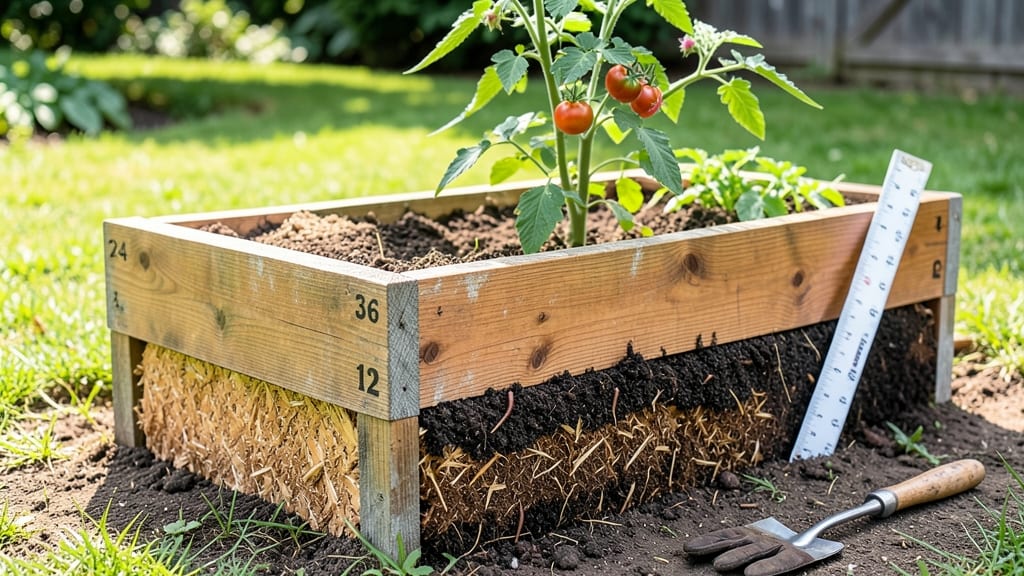
To determine how tall a raised garden bed needs to be, start with at least 6 to 8 inches for basic root depth, but aim for 10 to 12 inches to support most vegetables and herbs effectively. Taller beds (12-18 inches) enhance accessibility, improve drainage, and allow room for deep-rooted crops like tomatoes or carrots.
Raised garden beds aren't one-size-fits-all—their height directly impacts what you can grow and how easily you can tend to your plants. 🌱 A 6-8 inch bed works for shallow-rooted herbs and greens, but most vegetables need deeper soil to thrive.
The extra 2-4 inches in a 10-12 inch bed makes a noticeable difference in root growth and overall plant vigor. Even taller beds (up to 18 inches) become game-changers for accessibility, especially if you have back issues or prefer to garden while seated.
What's fascinating is how bed height affects soil temperature and moisture retention too. Taller beds warm up faster in spring and hold moisture better during dry spells, which can extend your growing season.
I've found that adding compost-rich soil to deeper beds also improves nutrient availability for heavy feeders like squash and corn.
💡 In This Article
- Root Depth Requirements for Different Plants
- Accessibility and Ergonomics for Raised Beds
Root depth requirements for different plants
Root systems vary dramatically between plant types, and this directly influences how deep your raised bed should be. Shallow-rooted plants like lettuce, spinach, and herbs (such as basil or chives) thrive in just 6-8 inches of soil, as their roots spread horizontally rather than vertically.
These plants focus on absorbing nutrients from the topsoil layer, where microbial activity is highest. 🌿 In contrast, deep-rooted vegetables like carrots, potatoes, and tomatoes need 12-18 inches of soil to develop fully—their roots can extend up to 3 feet deep, though most nutrients are concentrated in the upper 12 inches.
The soil depth affects nutrient absorption through a process called "root zone expansion." Deeper soil allows roots to access water and minerals during dry periods, reducing stress on plants.
For example, tomatoes planted in a 10-inch bed may produce smaller fruits because their roots can't reach the moisture and nutrients deeper in the soil.
The extra 2-4 inches in a taller bed can mean the difference between a modest harvest and a bountiful one. 🍅 Another key factor is soil compaction—deeper beds prevent roots from hitting hardpan or rocky layers, which can stunt growth.
For most home gardeners, a 10-12 inch bed strikes the best balance. This height accommodates the majority of vegetables while keeping construction manageable. If you're growing root crops like beets or parsnips, you might want to go even taller (14-16 inches) to ensure full development.
The deeper soil also improves drainage, which is critical for preventing root rot in plants that dislike soggy conditions, like onions or garlic.
Here's a quick breakdown of what works for different plant types:
- Herbs and greens: 6-8 inches (e.g., parsley, kale, mint)
- Common vegetables: 10-12 inches (e.g., peppers, cucumbers, bush beans)
- Deep-rooted crops: 12-18 inches (e.g., asparagus, sweet potatoes, artichokes)
One common misconception is that taller beds always mean better growth. While deeper soil helps, it's not a substitute for quality soil. Adding compost or aged manure to the bottom layers ensures roots have access to nutrients even in deeper beds.
The texture of the soil matters too—loamy soil with good drainage works best, while clay-heavy soil can suffocate roots if not amended properly.
For those growing perennials like asparagus, the initial bed height is especially critical. Asparagus crowns need 12-18 inches of soil to establish properly, and the roots will continue growing deeper over time.
Planting them in a shallower bed can lead to stunted growth and lower yields in subsequent years. 🌱 The extra depth also helps insulate roots during temperature fluctuations, which is particularly important in colder climates.