
Planting
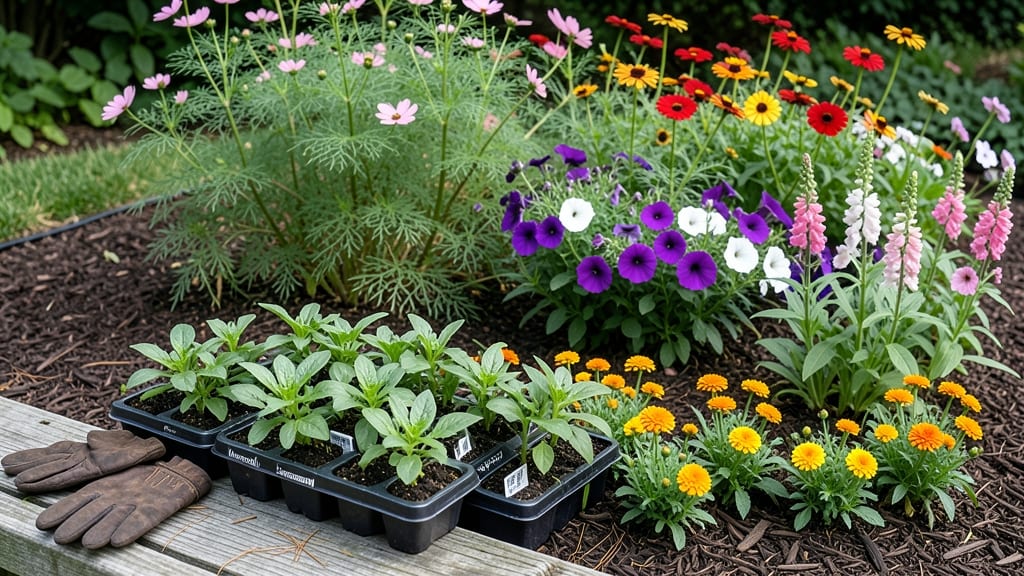
Planting a flower bed for beginners starts with a simple layout that looks good and thrives with minimal effort. 🌸 I’ve designed flower beds that even my black thumb can’t kill—just follow these steps, and you’ll have a vibrant display by summer.
The key is choosing the right plants for your light, soil, and space, then arranging them so they grow together happily. You’ll need basic tools—a shovel, rake, gloves, and a wheelbarrow for soil—and a few hours on a weekend.
Start by marking your bed with spray paint or a hose, then loosen the soil to about 6 inches deep. This prevents roots from fighting compacted earth, and your plants will establish faster.
Once planted, water deeply once a week (more in hot weather) and mulch to keep moisture in. In no time, you’ll have a bed that blooms effortlessly, with colors that make neighbors stop and stare. The best part? You’ll avoid the common mistakes that turn first-time beds into patchy disasters.
This method works for any size bed, from a small border to a full backyard garden. Let’s get those roots in the ground!
📚 In This Guide
- What you need
- Instructions
- Tips and common mistakes
- Wrapping up and next steps
What you need
- ● Flower bed location: A sunny or partially shady spot (6+ hours of sunlight for most flowers).
- ● Soil: 2–3 bags of high-quality garden soil (1 cubic yard covers ~100 sq. ft.)
- ● 1 bag of compost or organic matter (to improve drainage and nutrients)
- ● Mulch: 2–3 bags of organic mulch (e.g., shredded bark or straw) for moisture retention.
- ● Plants: 5–10 perennial or annual flowers (e.g., marigolds, petunias, or coneflowers—pick easy-to-grow varieties!).
- ○ 1–2 ground cover plants (optional, for filling gaps).
- ● Fertilizer: 1 bag of slow-release granular fertilizer (10-10-10 ratio works well).
- ● Garden tools: 1 garden shovel or spade (for digging)
- ● 1 garden fork (for aerating soil)
- ● 1 hand trowel (for precision planting)
- ● 1 pruners or shears (for trimming plants)
- ● Measuring & marking: 1 measuring tape (to outline your bed)
- ● 4–6 stakes or spray paint (to mark edges)
- ○ Optional (but helpful!): 1 wheelbarrow (for hauling soil/mulch)
- ● 1 knee pads (for comfort)
- ● 1 watering can or hose with nozzle
- ● ✨ Check your soil: If it’s rocky or clay-heavy, mix in sand or peat moss for better drainage.
- ● 🌡️ Timing matters: Plant in spring or early fall for best root establishment.
- ● 🎯 Design first: Sketch a rough layout before digging to avoid mistakes!
Step-by-Step instructions for planting a beginner-friendly flower bed
Here's how to create a stunning, low-maintenance flower bed that thrives from day one.
🌱 Step 1: Choose the Perfect Location and Prepare the Soil
Pick a spot that gets at least 6 hours of sunlight daily—most flowering plants need this to bloom properly. I like to test the sunlight by placing a small stake in potential spots for a week to track actual sun exposure. Once you've chosen your location, mark the flower bed shape with spray paint or a garden hose.
Remove any grass or weeds within the marked area using a garden fork or spade. Loosen the soil to a depth of 6-8 inches—this helps roots spread easily. Mix in 2-3 inches of compost into the top 6 inches of soil. The goal is fluffy, nutrient-rich soil that drains well. You'll see the difference immediately when the soil feels light and crumbly rather than compacted.
🪴 Step 2: Plan Your Flower Layout in Layers
Start with your tallest plants at the back, medium-height in the middle, and shorter flowers at the front. This creates visual interest and ensures nothing gets shaded out. For beginners, I recommend grouping 3-5 plants of each type together to create a cohesive look. Popular starter plants include marigolds, petunias, and snapdragons—they're hardy and bloom all season.
Space plants according to their mature size. Check the plant tags for spacing recommendations—usually 12-24 inches apart for most annuals. Dig holes just deep enough to accommodate the root ball, then gently place each plant in its spot. You'll know it's at the right depth when the top of the root ball sits slightly above the surrounding soil level.
💧 Step 3: Plant and Water Deeply to Settle Roots
Fill the holes with soil and press gently around each plant to remove air pockets. Water each plant deeply right after planting—this helps settle the soil and encourages roots to spread. Use a watering wand or hose with a gentle spray setting to avoid disturbing the plants. Water until you see moisture 6 inches deep in the soil.
Add a 1-2 inch layer of mulch around each plant, keeping it 2-3 inches away from the stems. This helps retain moisture and suppress weeds. I like to use shredded bark or straw mulch because they break down slowly and improve soil quality over time. Water again lightly after mulching to help settle everything in place.
☀️ Step 4: Maintain with Consistent Care
Water your flower bed 1-2 times per week, depending on rainfall. The key is to keep the soil consistently moist but not soggy. You'll know it's right when the top inch of soil feels slightly damp to the touch. In hot weather, you may need to water daily, especially for newly planted flowers.
Remove spent blooms regularly to encourage more flowers—a simple pinch with your fingers does the trick. This is called deadheading, and it keeps your flower bed looking neat and promotes continuous blooming. Fertilize lightly every 4-6 weeks with a balanced, water-soluble fertilizer to keep plants healthy and vibrant.
Tips & tricks for planting a beginner-friendly flower bed
Creating a beautiful flower bed starts with these simple tricks that'll make all the difference for first-time gardeners.
Location Scout: Before you mark your flower bed, observe your yard for at least a week to track sunlight patterns. That 6 hours of sunlight requirement is crucial—morning sun works differently than afternoon sun, and some spots might get more shade than you think. I always test with a stake to avoid surprises later.
Soil Prep Secret: When loosening soil to 6-8 inches deep in Step 1, don't just dig—break up any compacted layers with your fork. The goal is to create a loose, almost fluffy texture where roots can spread easily. Mixing in 2-3 inches of compost into just the top 6 inches is perfect—any deeper and you risk disturbing the natural soil layers below.
Planting Depth Check: In Step 2, the top of the root ball should sit just above soil level—this prevents the plant from sinking too deep as soil settles. Here's a quick trick: After placing the plant, gently press the surrounding soil and check if the plant sits at the same height as before. If it sinks, add a little more soil around the edges to create a slight mound.
Watering Wisdom: That deep watering in Step 3 isn't just about moisture—it's about encouraging roots to grow downward. Water until you see moisture 6 inches deep, which means the water should run out the bottom of the hole you dug. This might take 5-10 minutes depending on your soil type. For newly planted flowers, this thorough watering helps prevent transplant shock.
Pro Tips for Plant A Flower Bed For Beginners
- Creating a beautiful flower bed starts with these simple tricks that'll make all the difference for first-time gardeners.
- Location Scout: Before you mark your flower bed, observe your yard for at least a week to track sunlight patterns.
- Soil Prep Secret: When loosening soil to 6-8 inches deep in Step 1, don't just dig—break up any compacted layers with your fork.
Frequently asked questions
Got questions? You’re not alone—planting a flower bed can feel overwhelming at first! Here are some of the most common concerns and quick answers to help you feel confident before you start.
What’s the best time of year to plant a flower bed?
The ideal time depends on your climate, but spring (after the last frost) and early fall (6 weeks before the first frost) are the sweet spots. These periods give plants time to establish roots before extreme heat or cold. If you’re in a warm zone, winter planting can also work—just avoid peak summer heat!
Do I need to remove all the grass before planting?
Not necessarily! For small flower beds, you can smother grass with cardboard or thick layers of mulch (like straw) for 4–6 weeks before planting. For larger areas, consider a glyphosate-free herbicide or manual removal (like digging). Just avoid tilling—it can bring up weed seeds!
How much will this cost for a beginner?
Costs vary, but you can start small! A 5x5-foot bed might cost:
- $10–$30 for soil amendments (compost, peat moss)
- $20–$50 for mulch
- $5–$20 per plant (or $10–$30 for flats of seedlings)
- $10–$50 for tools (if you don’t own them)
Tip: Buy perennials instead of annuals for long-term savings—they’ll return year after year!
What if pests or weeds take over after planting?
Stay proactive! Use organic mulch (like wood chips) to suppress weeds, and hand-pull them early. For pests, try neem oil or introduce beneficial insects (like ladybugs). If soil-borne issues arise, rotate plants next season or test your soil for imbalances.
Can I mix vegetables and flowers in the same bed?
Companion planting works wonders—flowers like marigolds repel pests for veggies, while herbs (basil, thyme) boost growth. Just avoid planting competitive pairs, like potatoes and sunflowers, which steal nutrients. Stick to compatible combos for a thriving, low-maintenance bed!
Wrapping up and next steps
Planting your first flower bed is easier than you think—just follow the basics, and you’ll be rewarded with a vibrant, thriving garden! 🌸 Remember to choose the right plants, prep your soil, and keep it simple with a beginner-friendly layout.
With a little patience and care, your flower bed will bloom beautifully in no time.
Ready to take the next step? Start small—pick one section to plant this weekend, and before you know it, you’ll be confidently expanding your garden. Happy planting! 🌱