
Companion Plants
Maximize your small garden space with these science-backed raised bed companion planting layouts. Each design pairs vegetables strategically to deter pests, improve growth, and extend harvest seasons—perfect for urban gardeners and homesteaders alike.
Classic Three Sisters Raised Bed
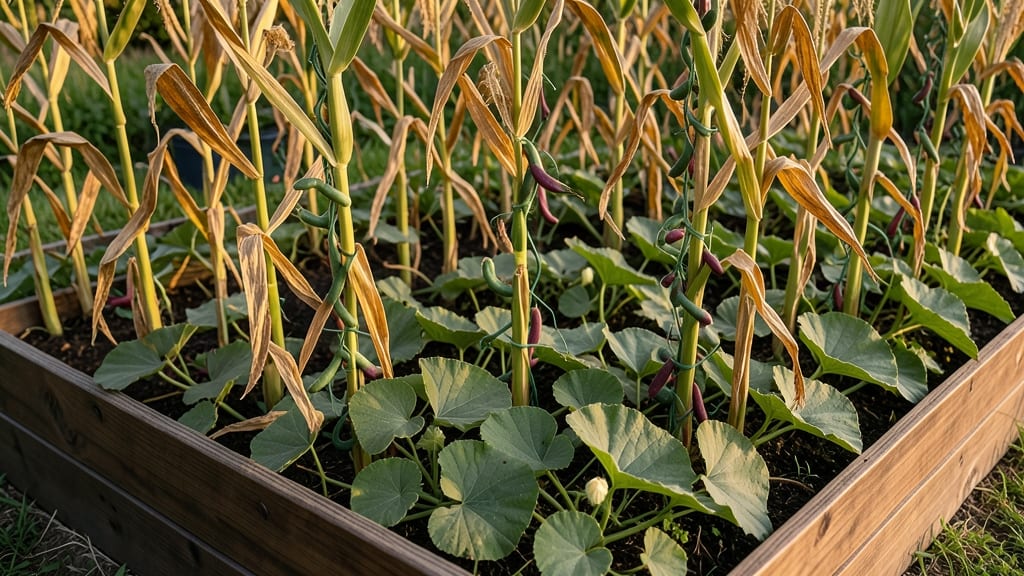
Transform your raised bed into a thriving ecosystem with the Classic Three Sisters—a time-honored trio of corn, beans, and squash that work together like a well-oiled machine. This Indigenous gardening technique isn’t just beautiful; it’s a self-sustaining system where each plant supports the others, reducing your workload while boosting yields.
Start by planting corn (like Golden Bantam or Black Aztec) as your tallest structure—its stalks will provide trellis support for pole beans (such as Scarlet Runner) to climb. The beans, in turn, fix nitrogen in the soil, feeding the corn and squash below. Then, tuck summer squash (like Butternut or Zucchini) at the base to shade the soil, retain moisture, and deter weeds. Space corn 12 inches apart in rows 3 feet apart, with beans and squash filling the gaps.
This layout is perfect for beginners and organic gardeners who want minimal fuss and maximum rewards. Plus, it’s a great way to connect with traditional gardening wisdom while growing a bounty of fresh, homegrown food. 🌱
Herb-Infused Pest Control Garden
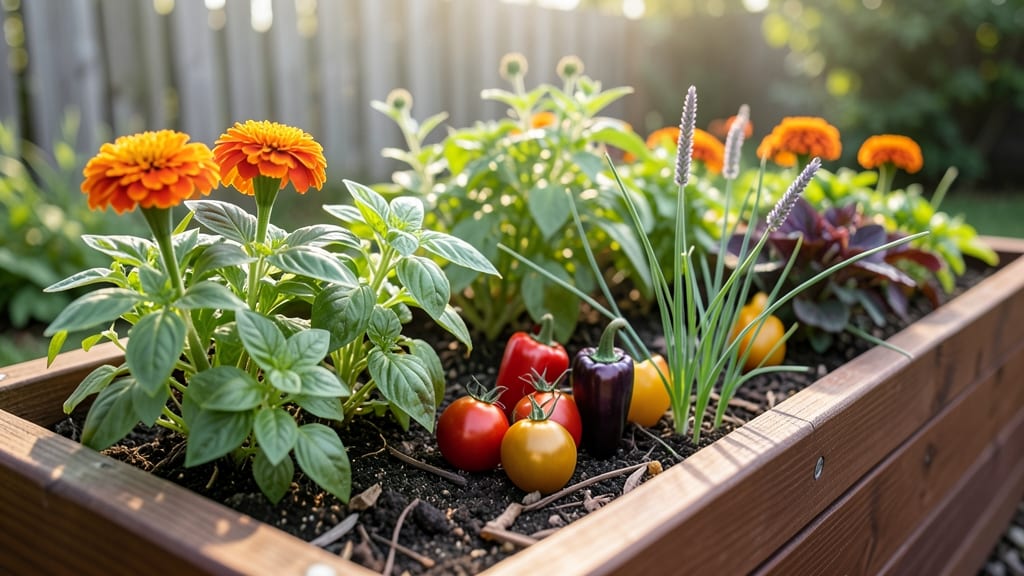
Want a raised bed that doubles as both a pest-free zone and a kitchen herb garden? Plant marigolds, basil, and chives alongside your tomatoes and peppers for a fragrant, functional layout. These herbs naturally repel aphids, mosquitoes, and even whiteflies while adding fresh flavors to your cooking.
Start by placing marigolds at the edges—their strong scent deters pests from entering the bed. Interplant basil every 12 inches between your tomatoes (it improves their flavor and health), and tuck chives near peppers to keep spider mites at bay. All three herbs thrive in 6-8 hours of sun daily and prefer well-draining soil.
This layout is ideal for kitchen gardeners who love fresh herbs but hate dealing with pests—you’ll enjoy both beautiful blooms and bountiful harvests with minimal effort. 🌱
Vertical Salad Tower Layout
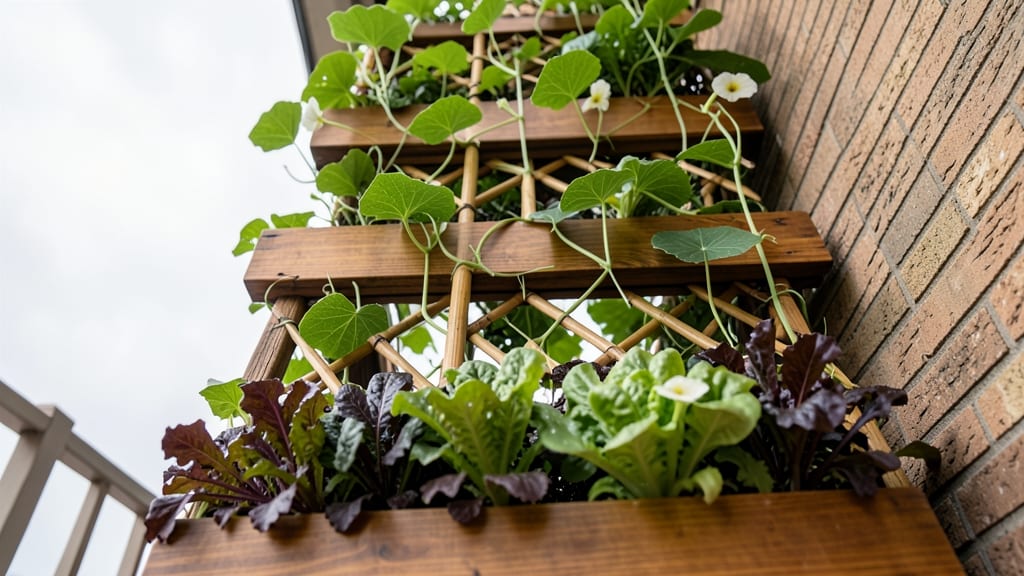
Turn your balcony or shady patch into a year-round salad bar with this space-saving vertical design. Instead of sprawling beds, this layout stacks your greens while cucumbers climb upward—perfect for areas with limited sunlight or square footage.
Start with lettuce and spinach in the bottom layer, where they’ll thrive in partial shade. Above them, plant radishes (harvest in 3-4 weeks) and install a trellis along the back for cucumbers to climb. The deep roots of cucumbers won’t compete with shallow greens, and the vertical structure keeps everything accessible. Water the top layer first to let moisture trickle down naturally.
This setup is ideal for urban gardeners or anyone with shade gardens—no sunburned leaves here! You’ll harvest fresh greens while cucumbers trail upward, creating a lush, productive tower that fits almost anywhere. 🌱
Mediterranean Herb-Vegetable Square Foot
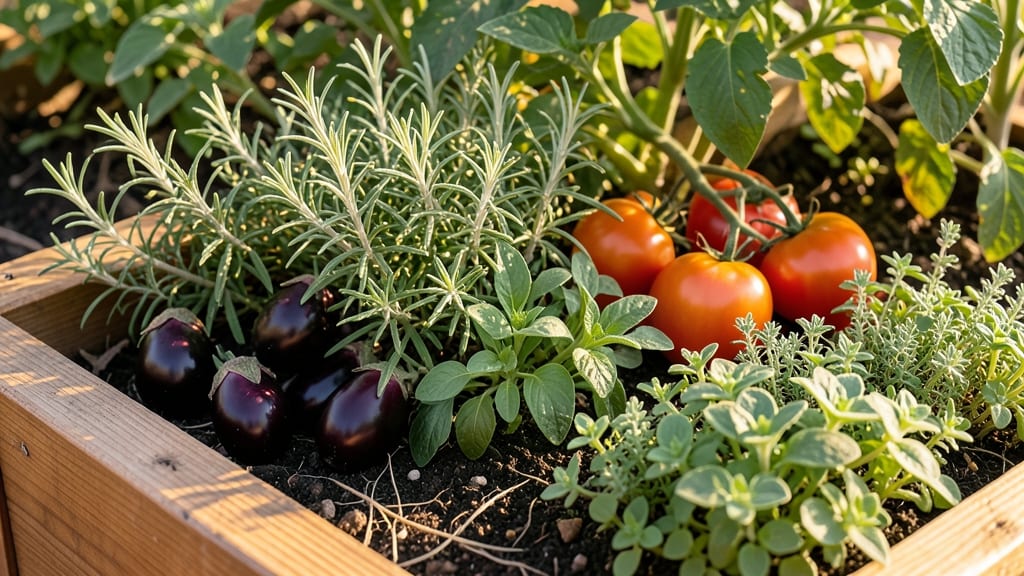
Transform your raised bed into a fragrant, pest-resistant Mediterranean oasis where every bite tastes better and every plant thrives. By weaving rosemary, oregano, and thyme between your tomatoes and eggplants, you create a natural pest deterrent while adding fresh flavors to your kitchen.
Plant your eggplants and tomatoes in a square-foot grid, leaving one square between each for herbs. The strong scents of rosemary and thyme confuse pests like aphids and whiteflies, while oregano deters cabbage moths. These herbs also improve soil health by suppressing weeds and attracting beneficial insects. For best results, place this bed in full sun and water herbs lightly—they prefer drier conditions than tomatoes.
This layout is perfect for gardeners who love cooking and want to harvest fresh herbs alongside their vegetables. The aromatic barrier effect means fewer pesticides needed, making it a win for organic gardeners too. 🌿
Root Vegetable Underground Alliance
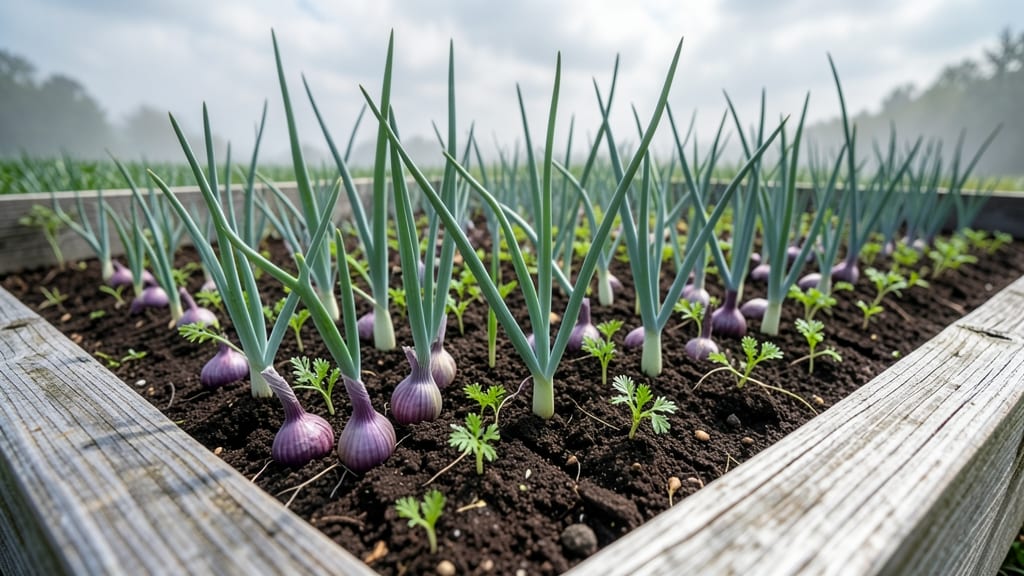
Cool-season gardeners, rejoice! The Root Vegetable Underground Alliance transforms your raised bed into a pest-deterring powerhouse by teaming carrots, onions, and leeks—a trio that naturally confuses carrot flies while sharing nutrients underground.
Start by sowing onions and leeks first (they grow slowly), then add carrot seeds between them. The strong scent of onions and leeks masks the carrot flies' ability to locate their host plants, while all three vegetables share soil nutrients efficiently. For best results, plant in well-drained soil with a depth of at least 12 inches, and space onions/leeks 4-6 inches apart with carrots 2-3 inches apart in rows 12 inches apart.
This layout is perfect for gardeners in USDA Zones 3-7 who want to extend their harvest season—ideal for late summer through fall planting. The underground synergy means less work for you and happier, healthier roots. 🌱
Pepper-Basil-Thyme Heat Wave Bed
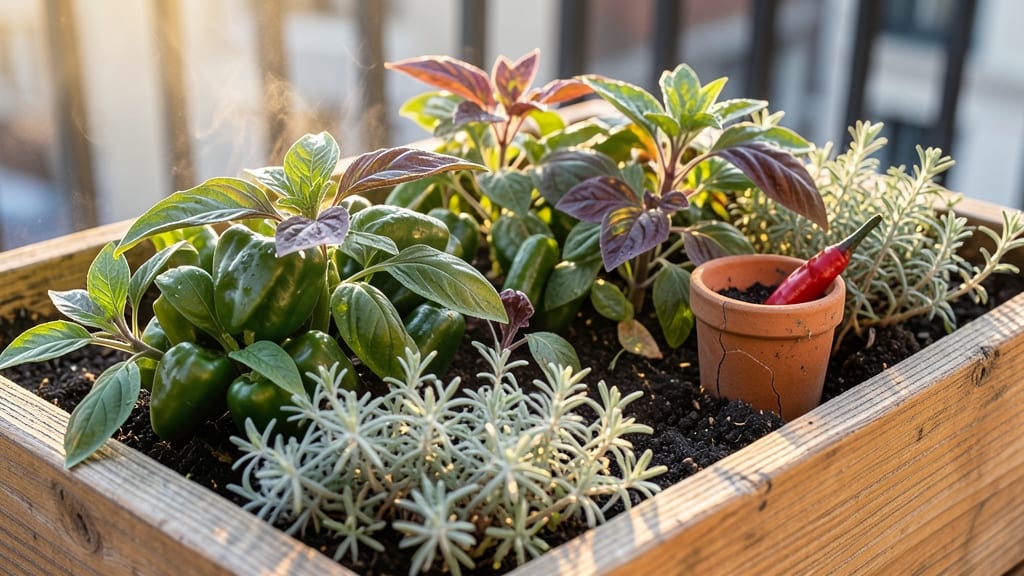
Turn even the hottest summer days into a productive gardening success with this Pepper-Basil-Thyme Heat Wave Bed. This trio thrives under intense sun, where peppers need the heat to ripen while basil and thyme act as natural pest deterrents and flavor enhancers—ideal for containers or small urban spaces where every inch counts.
Start by planting bell peppers or jalapeños in the center of your bed, spacing them 18 inches apart. Surround them with Genovese basil and French thyme, which should be planted every 12 inches. The basil’s strong scent repels whiteflies that plague peppers, while thyme deters spider mites. All three plants love full sun (6+ hours daily) and well-draining soil—perfect for raised beds or large containers.
This layout is a game-changer for small-space gardeners or anyone with hot, sunny spots. You’ll enjoy pest-free peppers with enhanced flavor, plus fresh herbs for cooking—all while keeping your garden compact and efficient. 🌻
Brassica Pest-Repelling Fortress
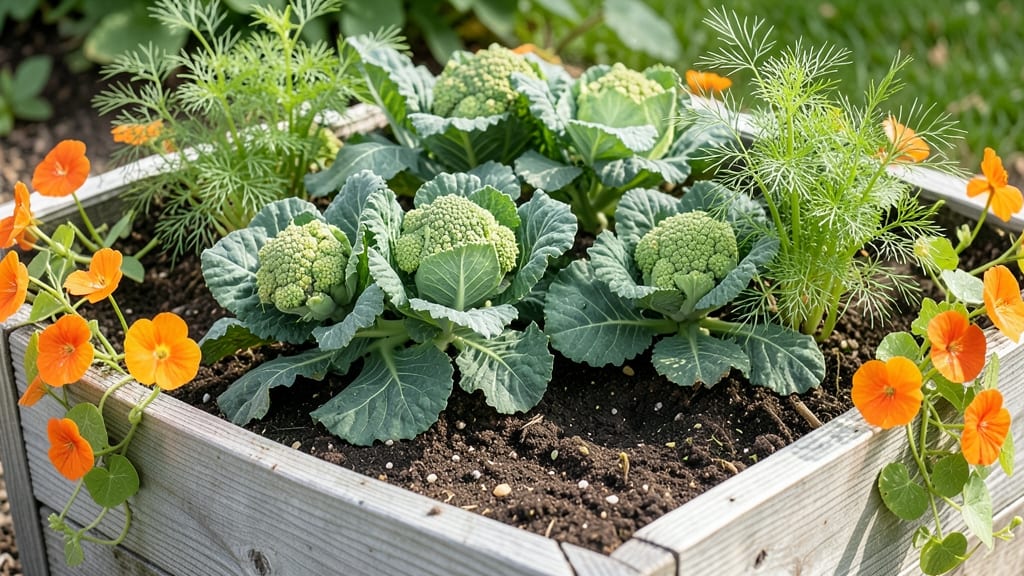
Tired of battling cabbage moths ruining your brassica crops? Create a pest-repelling fortress in your raised bed by surrounding kale, broccoli, and cabbage with nasturtiums and dill. This dynamic duo confuses and deters cabbage moths naturally, giving you healthier plants and fewer pests without chemicals.
Start by planting your brassicas in the center of your bed, spaced 18-24 inches apart. Then, create a border of nasturtiums around the edges—their peppery scent masks the brassicas' aroma, which attracts moths. Interplant dill every 12 inches between your brassicas; its strong fragrance further confuses pests. For best results, keep the bed well-watered but avoid overhead watering to prevent fungal issues. This layout thrives in full sun to partial shade and works beautifully in both spring and fall plantings.
Organic gardeners and those committed to chemical-free growing will love this fortress—it’s a simple, effective way to protect your brassicas while adding vibrant color and texture to your raised bed. 🌿
Fast-Growing Succession Planting Bed
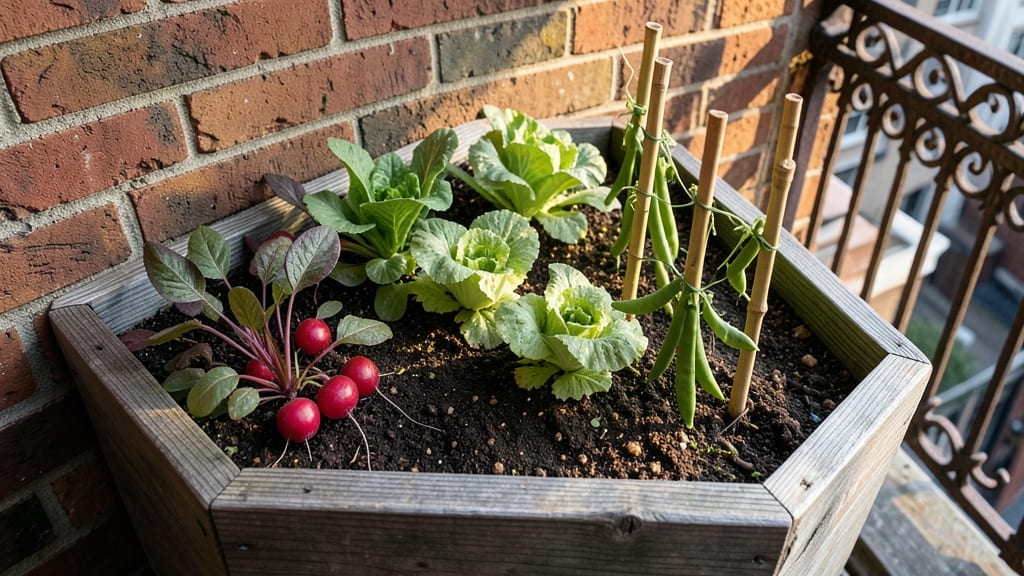
Turn your small urban space into a non-stop harvest machine with a fast-growing succession planting bed that cycles through radishes, lettuce, and bush beans in rapid succession. This layout is designed for gardeners who want fresh produce without the wait—think 30-day radishes, 45-day lettuce, and 50-day beans, all packed into a single 2x8-foot bed.
Start by planting radishes (like Cherry Belle) in early spring, followed by lettuce (such as Buttercrunch) 2-3 weeks later. Once the radishes are harvested, replace them with bush beans (like Blue Lake), which mature just in time for a late-summer harvest. The key is spacing: plant radishes in rows 6 inches apart, lettuce 12 inches apart, and beans 4 inches apart in clusters. This rotational approach ensures your bed is always productive, with minimal gaps between harvests.
This system is a game-changer for urban gardeners with limited time or space—no empty beds, no wasted growing seasons. Just fresh, homegrown food delivered straight to your kitchen. 🌱
Nightshade Family Harmony Circle
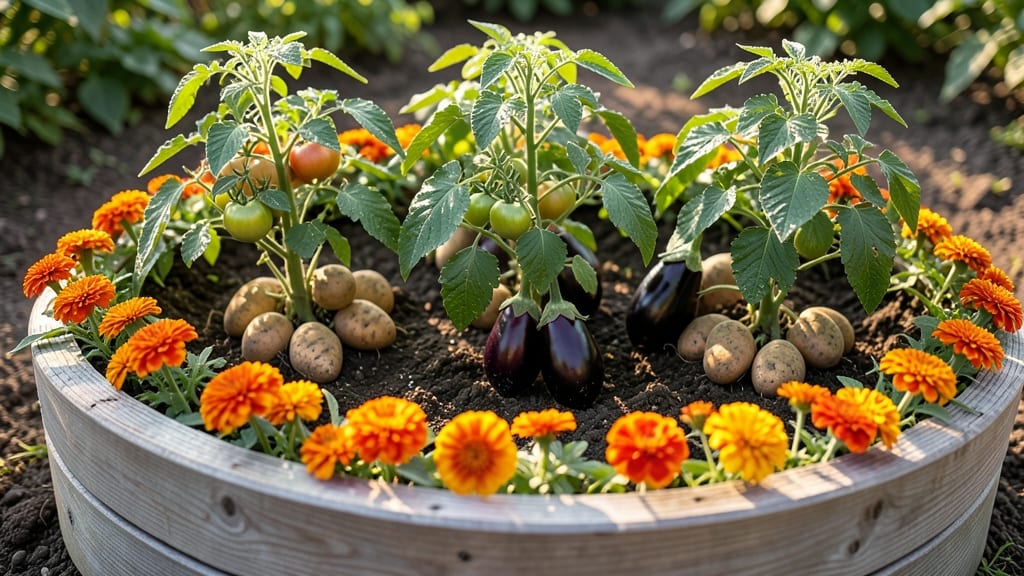
Create a high-yield summer powerhouse by planting tomatoes, potatoes, and eggplants in a circular raised bed, surrounded by marigolds—this layout is nature’s way of keeping Colorado potato beetles at bay while maximizing space. The circular design ensures every plant gets optimal sunlight and airflow, while marigolds release compounds that repel pests naturally.
Start by planting eggplants at the center (they need full sun and space to spread), then add tomatoes around them with marigolds interspersed every 18 inches. Fill the outer ring with potatoes, spacing them 12 inches apart. The marigolds not only deter beetles but also attract pollinators like bees, boosting fruit set. Water deeply at the base to avoid fungal diseases, and mulch with straw to retain moisture.
This layout is perfect for gardeners in USDA Zones 5-10 who want a low-maintenance, high-reward summer harvest. The circular design also makes it easy to rotate crops next season for better soil health. 🌻
Cold-Hardy Winter Survival Layout

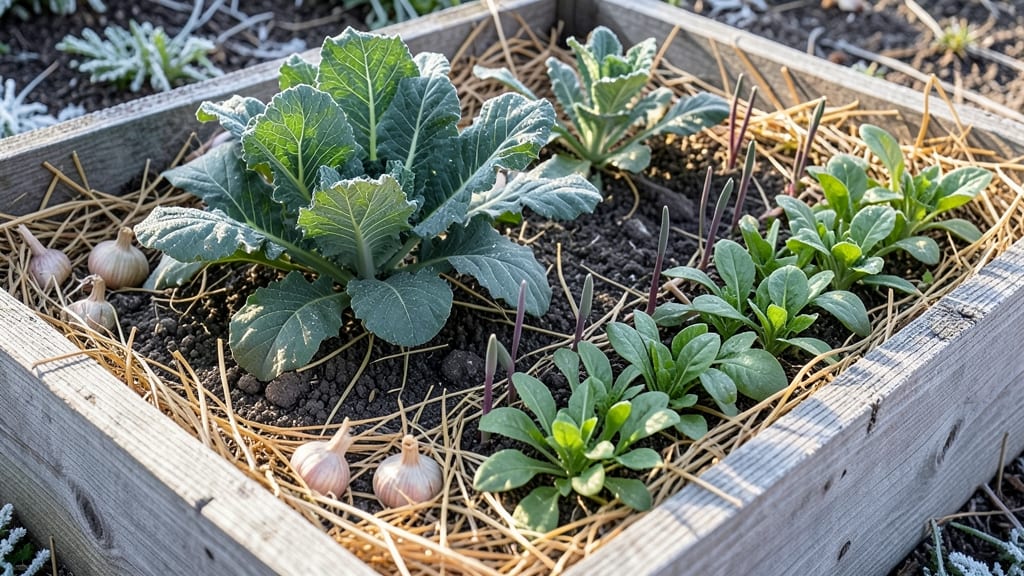
When winter’s chill threatens to end your harvest, this Cold-Hardy Winter Survival Layout keeps your raised bed productive with kale, garlic, and spinach—three cold-tolerant stars that thrive under simple protection. The secret? A straw mulch blanket (4-6 inches thick) insulates roots from frost while row covers create a microclimate that extends harvests by 4-6 weeks in zones 3-7.
Start by planting garlic in fall (it overwinters beautifully) with spinach and kale spaced 6-8 inches apart. After the first frost, add a layer of straw mulch to regulate soil temperature and retain moisture. When daytime temps drop below freezing, drape floating row covers over the bed, securing edges with bricks or soil. This combo deters pests like cabbage moths while protecting tender leaves from windburn.
Perfect for urban gardeners with limited space or homesteaders who refuse to let winter halt fresh harvests, this layout transforms a dormant bed into a year-round salad source. With minimal effort, you’ll enjoy crisp greens and flavorful garlic well into spring. ✨