
Tools
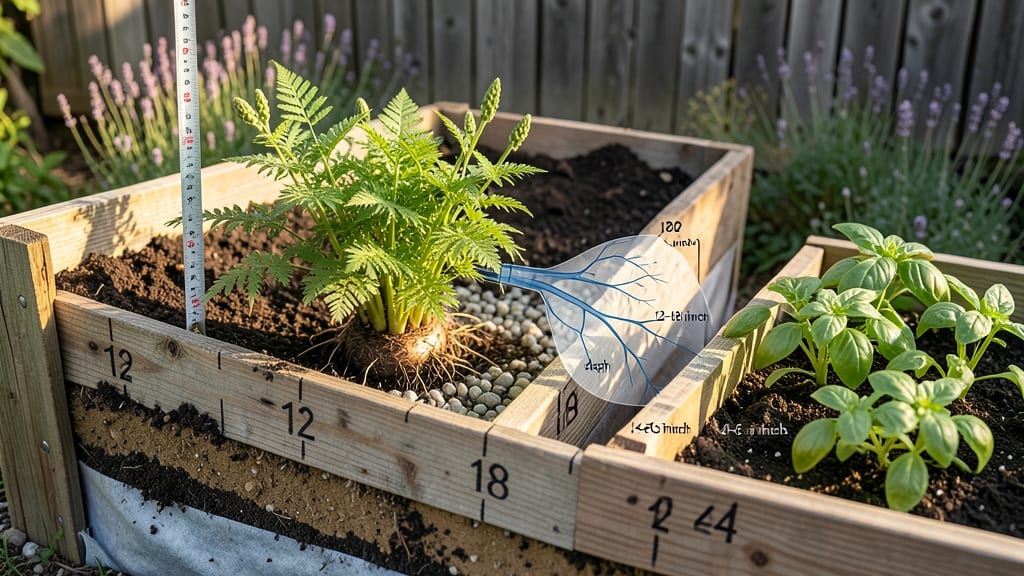
Determining optimal raised garden bed depth depends on your plants: standard beds should be 6 to 12 inches deep for most vegetables, while root crops like carrots or potatoes thrive in deeper beds (18+ inches) and herbs do well in shallower ones (4-6 inches).
Raised garden bed depth directly impacts root development and plant health. 🌱 Most vegetables need 6 to 12 inches of soil to establish strong root systems without becoming waterlogged, while deeper beds prevent compaction in heavy clay soils.
For example, carrots and potatoes require 18+ inches to grow fully, whereas herbs like basil or thyme thrive in shallow beds because their roots stay compact. The key is matching depth to your plants' needs while ensuring proper drainage and soil quality.
If you're working with sandy soil, you might need slightly deeper beds to retain moisture, while clay-heavy soil benefits from extra depth to prevent water pooling. I always recommend testing your soil first—amending it with compost or organic matter can sometimes reduce the required depth while improving nutrient availability.
For beginners, starting with a 12-inch bed offers the most versatility for a wide range of crops.
💡 In This Article
- How Root Depth Affects Plant Growth in Raised Beds
- Choosing the Right Raised Bed Depth for Your Plants
How root depth affects plant growth in raised beds
Root systems determine how much depth your raised bed truly needs. Plants with taproots (like carrots or beets) need 18+ inches of soil to develop fully, as these roots grow straight down to access water and nutrients.
In contrast, plants with fibrous root systems (such as lettuce or radishes) thrive in just 4-6 inches of soil because their roots spread horizontally. The deeper the bed, the more stable the plant becomes, especially in windy conditions, as roots anchor into the soil more securely.
Soil aeration is another critical factor. Deeper beds prevent compaction, allowing roots to breathe and access oxygen more easily. For instance, a 12-inch bed provides ample room for most vegetables, but if your soil is heavy clay, roots may suffocate in shallower depths.
Moisture retention also plays a role—deeper beds hold water longer, reducing the need for frequent watering, while shallow beds dry out faster, especially in hot climates. The ideal depth balances these factors to keep roots healthy without creating waterlogged conditions.
Nutrient access is directly tied to root depth. Shallow beds (4-6 inches) may work for herbs but limit the growth of larger plants like tomatoes or peppers, which need deeper soil to support their heavier foliage.
For example, a tomato plant's roots can spread 2-3 feet wide but only need 12-18 inches of depth to thrive. This is why deeper beds often yield larger, more productive plants. The trade-off?
Deeper beds require more soil, increasing costs and labor, but the payoff in plant vigor is worth it for many gardeners.
Consider the sensory experience of working with different depths. A 6-inch bed feels light and easy to manage, perfect for small herbs or greens, while an 18-inch bed offers the satisfying weight of rich, nutrient-dense soil—ideal for root crops.
The texture of freshly turned soil in a deep bed is almost tactilely rewarding, signaling the potential for bountiful harvests. However, too much depth can lead to wasted space and higher maintenance, so always match the bed to your plants' needs.
For root crops like potatoes, the depth isn't just about length—it's about the soil profile. Potatoes need loose, aerated soil to prevent rot and encourage tuber formation. In a 12-inch bed, they'll produce smaller yields, while an 18-inch bed allows them to grow to full size.
The difference is visible: shallow-grown potatoes often have stunted, misshapen tubers, while deep-grown ones are plump and uniform. This visual and practical contrast highlights why depth matters so much in raised bed gardening.
One common misconception is that deeper always means better. While it's true for root crops, shallow beds (4-6 inches) are perfect for herbs like basil or chives, which have shallow root systems and prefer well-draining soil.
The key is observing your plants: if leaves yellow or growth stalls, it may signal insufficient depth. Adjust accordingly—your plants will thank you with healthier, more abundant harvests. 🌱